

7 Examples of GLP-1 Drugs for Weight Loss
If you are comparing examples of GLP-1 drugs for weight loss, you are probably not looking for hype. You want to know what these medications are, how they differ, and which option may actually fit your life, budget, and health history. That is the right place to start, because not every medication works the same way, and not every care plan should look identical. GLP-1 medications are part of a broader category of prescription treatments that can help with appetite regulation, fullness, blood sugar control, and long-term weight management. Some are specifically approved for chronic weight management, while others are approved for type 2 diabetes and prescribed off-label in certain cases. That difference matters, especially when you are evaluating access, cost, and clinician guidance.
Examples of GLP-1 drugs for weight loss
The most commonly discussed examples of GLP-1 drugs for weight loss include Wegovy, Zepbound, Saxenda, Ozempic, Mounjaro, Rybelsus, and Victoza. Some of these are designed specifically for obesity treatment. Others entered the conversation because patients and clinicians saw meaningful weight loss effects even when the medication was initially intended for diabetes care.
Wegovy is one of the best-known names in this category. It contains semaglutide and is FDA-approved for chronic weight management in eligible adults. It is typically taken as a once-weekly injection, and many people recognize it because of the clinical attention around average weight loss outcomes. Still, real-world results depend on factors like dose tolerance, consistency, nutrition, activity, sleep, and ongoing clinical monitoring.
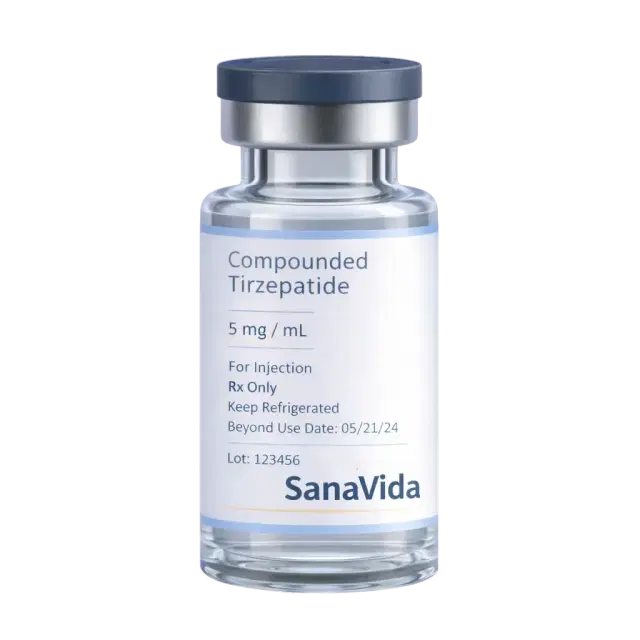
Zepbound is another major option. It contains tirzepatide and is FDA-approved for chronic weight management in adults who meet certain criteria. While people often group it together with GLP-1 medications, tirzepatide works on more than one hormone pathway, which is part of why it gets so much attention. For some patients, that may translate to strong results. For others, the deciding factors are side effects, availability, or cost rather than headline numbers.
Saxenda contains liraglutide and is also FDA-approved for weight management. Unlike weekly options, it is taken as a daily injection. That schedule can feel manageable for some people and inconvenient for others. It may still be a reasonable fit depending on medical history, clinician preference, and what a patient can tolerate over time.
Ozempic contains semaglutide, the same active ingredient family associated with Wegovy, but it is FDA-approved for type 2 diabetes rather than weight loss. It is frequently mentioned because weight reduction can occur during treatment. Even so, approval status matters. A clinician should help determine whether it is appropriate based on your health profile and treatment goals.
Mounjaro contains tirzepatide and is approved for type 2 diabetes, not chronic weight management. Like Ozempic, it is often discussed because many patients experienced weight loss while taking it. The medication itself may sound familiar if you have been researching Zepbound, since both involve tirzepatide. The distinction comes down to labeling, indication, and how your clinician evaluates the best path forward.
Rybelsus is an oral semaglutide medication approved for type 2 diabetes. It is different from the injectable options because it comes as a pill. That can make it appealing to people who strongly prefer not to use injections. But convenience is only one part of the decision. Oral dosing has its own instructions and may not be the right choice for every patient.
Victoza is another liraglutide medication approved for type 2 diabetes. It is related to Saxenda but used under a different indication. Some people researching weight loss medications encounter both names and assume they are interchangeable. They are not. Similar ingredients do not automatically mean the same dose, purpose, or treatment plan.
How these medications actually differ
The biggest differences usually come down to active ingredient, dosing schedule, FDA indication, side effect profile, and administration method. On paper, two medications can look similar. In practice, one may fit your routine far better than another.
Weekly injections appeal to many busy adults because they reduce day-to-day friction. Daily injections can feel like more of a commitment, even when the medication itself is effective. Oral medication may sound simpler, but it can come with stricter timing rules and may not match the clinical goals as well as an injectable option.
There is also the question of tolerability. Nausea, vomiting, constipation, diarrhea, and reduced appetite are commonly discussed with this category. Some people adjust well with careful dose escalation. Others need slower titration, a different medication, or a broader treatment approach. This is one reason personalized care matters more than comparing one brand name against another in isolation.
Which examples of GLP-1 drugs for weight loss are FDA-approved?
For weight loss specifically, Wegovy, Zepbound, and Saxenda are among the best-known FDA-approved prescription options for chronic weight management in eligible adults. Ozempic, Mounjaro, Rybelsus, and Victoza are approved for type 2 diabetes, though they may come up in weight loss conversations for understandable reasons.
That approval distinction affects more than labels. It can influence insurance coverage, prescribing decisions, pharmacy fulfillment, and the overall care experience. If you are trying to decide between medications, it helps to ask not only what works, but what is approved for your treatment goal and what is realistically accessible.
What makes someone a good candidate?
That depends on your BMI, medical history, current medications, prior treatment experience, and whether a clinician believes prescription weight loss treatment is safe and appropriate. If you have struggled with appetite, portion control, emotional eating, or losing weight despite lifestyle changes, a medication-based approach may be worth discussing. But this category is not for everyone.
Certain health conditions may affect whether a GLP-1-based medication is a good option. A clinician may also consider how quickly you need support, whether you want a needle-free alternative, and how much structure you need around follow-up and dose adjustments. If you are already on treatment through another provider, switching can also require a careful review of your current dose and response.
Why care model matters as much as the medication
A lot of people focus only on the drug name. That makes sense at first, but it misses a major part of the picture. The medication is one piece. The care model around it often shapes the experience just as much.
You want a process that feels manageable, not another complicated health project. That means clear eligibility review, licensed clinician oversight, predictable pricing, and follow-up when your dose changes or side effects show up. It also helps when treatment fits real life, with home delivery, privacy, and less back-and-forth than traditional clinics.
This is where telehealth can be especially helpful for adults balancing work, kids, travel, or packed schedules. A streamlined model reduces friction without removing medical oversight. For many patients, that is the difference between thinking about treatment and actually starting it.
What to ask before you start
Before beginning any medication in this category, ask a clinician what the drug is approved for, how it is taken, what side effects are common, and how dose adjustments work over time. Also ask how your progress will be monitored and what happens if the first option is not the right fit.
It is smart to ask about total cost, not just the first month. Some programs become more expensive as doses increase. Others create friction with subscriptions or refill processes. If consistency and simplicity matter to you, those details are not small. They are part of whether treatment remains sustainable.
If you are looking for a more flexible experience, Solyv is one example of a care model built around personalized medical weight loss, transparent pricing, and clinician-guided treatment without a subscription structure. That kind of simplicity can matter when you are choosing a plan you can stick with.
The best next step is not guessing which medication sounds most impressive. It is getting a real clinical opinion based on your body, your health history, and your routine. The right treatment should feel medically sound, realistic to maintain, and supportive of long-term progress rather than short-term pressure.